Real Historical Figures Appearing in The Double Standard Sporting House
During the 2020 lockdown, I read around 100 books about nineteenth century New York, including dozens of primary sources. Because we have so few records of elite brothels and individual midwives or nurses, most of the main characters in the novel are invented, but some of the figures I researched did make their way into the story.

The photo gracing the cover of The Double Standard Sporting House shows Lydia Thompson and her Blonde Belles of Burlesque at the height of their fame with the success of Ixion in 1868 New York. Lydia was a first-rate singer, dancer, and comedian whose career lasted more than five decades. The Belles’ brand of burlesque, tame compared to 20th century strip shows, used sex appeal to deliver biting social satire.

Judge George Barnard was appointed to the State Supreme Court of New York by Tammany Boss Bill Tweed. Barnard helped Tweed take over the Erie Railroad and smoothed the syndicate’s way in the courts. An amiable and talented man educated at Yale, Barnard was also thoroughly corrupt, and was finally impeached.
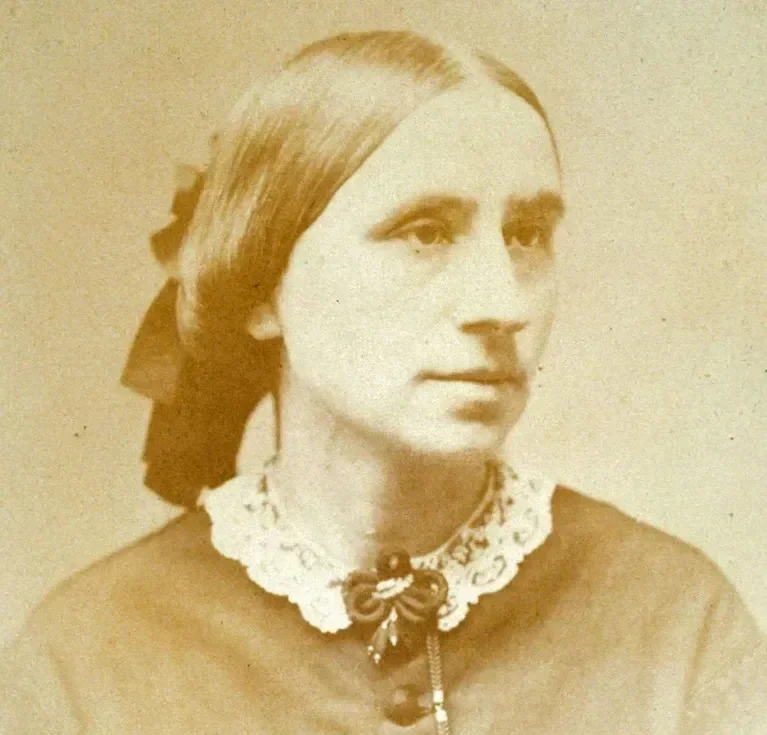
Dr. Marie Zawkrzewska was born in Berlin to Polish parents. Educated at the male Western Reserve University Medical School, she became a leading physician and established the New England Hospital for Women and Children, which also sponsored the first general training program for nurses in the US.
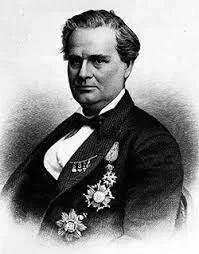
Dr. J. Marion Sims was a pioneering American gynecologist who founded the Women’s Hospital of New York. He developed medical techniques through horrifying experimentation on enslaved, captive, and impoverished women and girls, often conducting experimental surgery without anesthesia (and then charging exorbitant prices to perform the same procedures on wealthy white women).
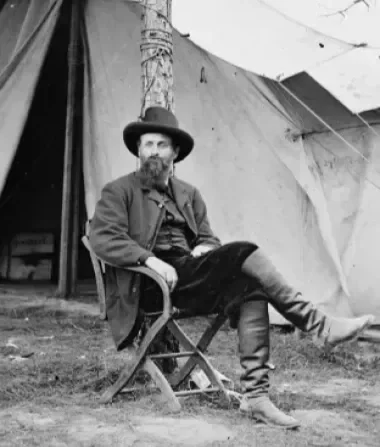
Charles Dana, publisher of the New York Sun, provided some inspiration and biographical detail for Asa Vanderpoel, but Asa has a different family background than Dana.
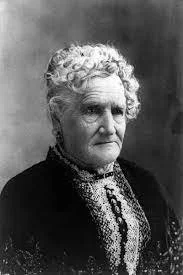
Matron Rebecca Salome Foster presided over the women’s block of The Tombs, and was known as the “Tombs Angel.”

Junius Henri Browne was a Civil War correspondent for the New York Tribune, and was captured at Vicksburg. He spent 20 months in Confederate prisoner of war camps. Afterward he wrote a memoir called Four Years in Secessia, and also published a lengthy guide to New York City called The Great Metropolis.
Peter Barr Sweeny, city Chamberlain and member of the infamous Ring atop the Tammany Hall political machine, was an immensely skilled lawyer and politician, and legendary crook. Accounts of his social awkwardness inspired me to embellish an atypical neurology for him.
